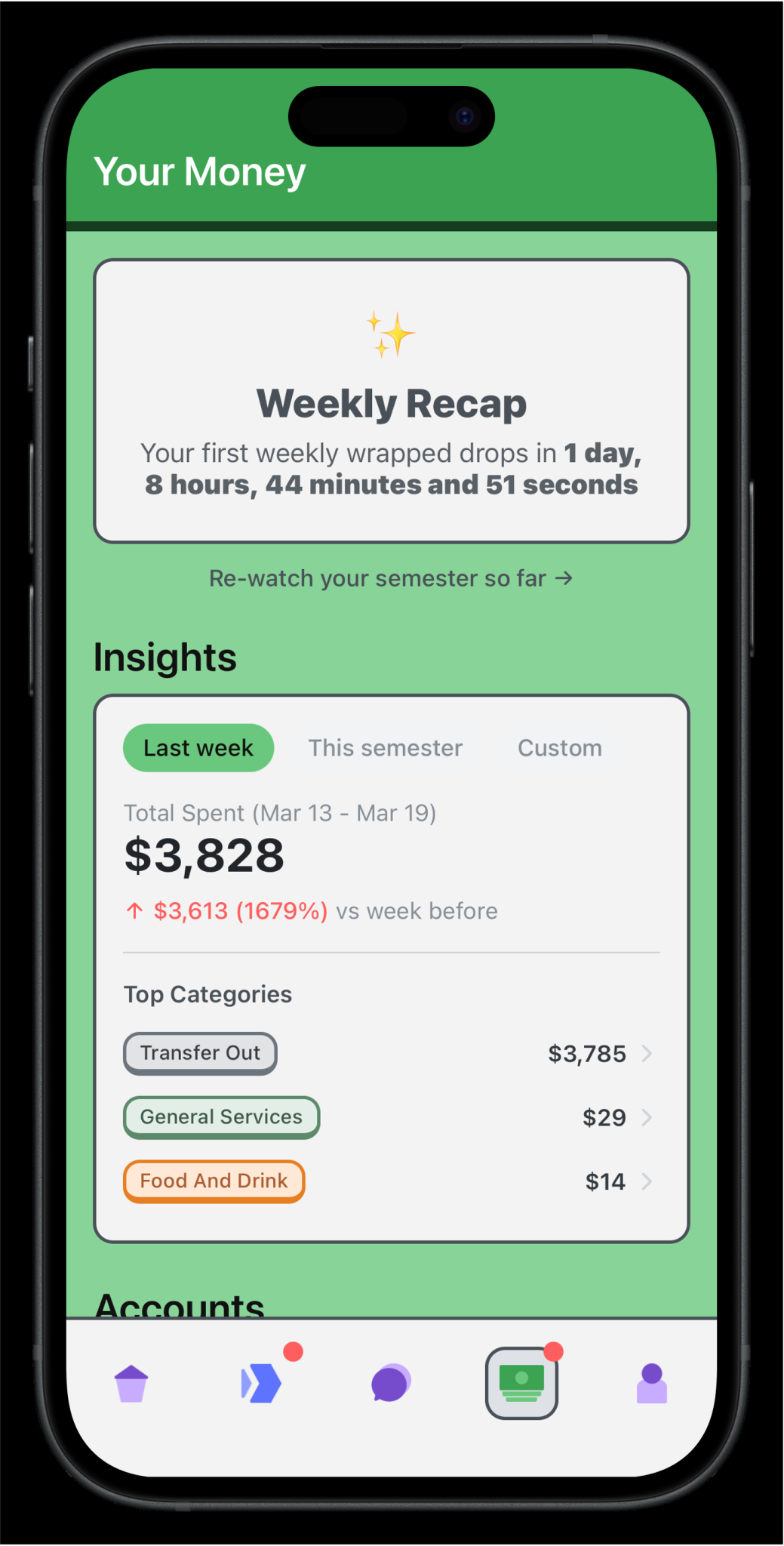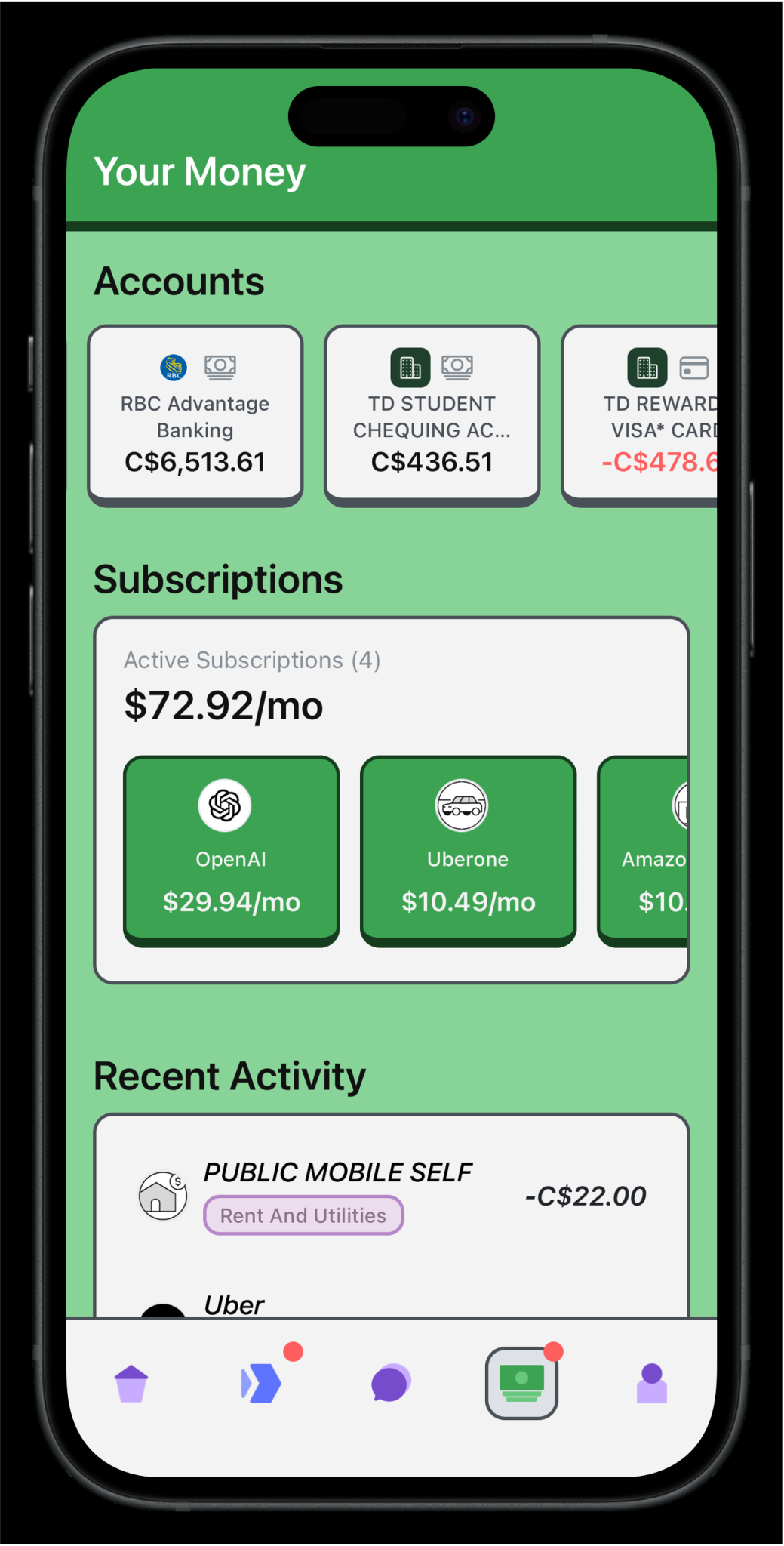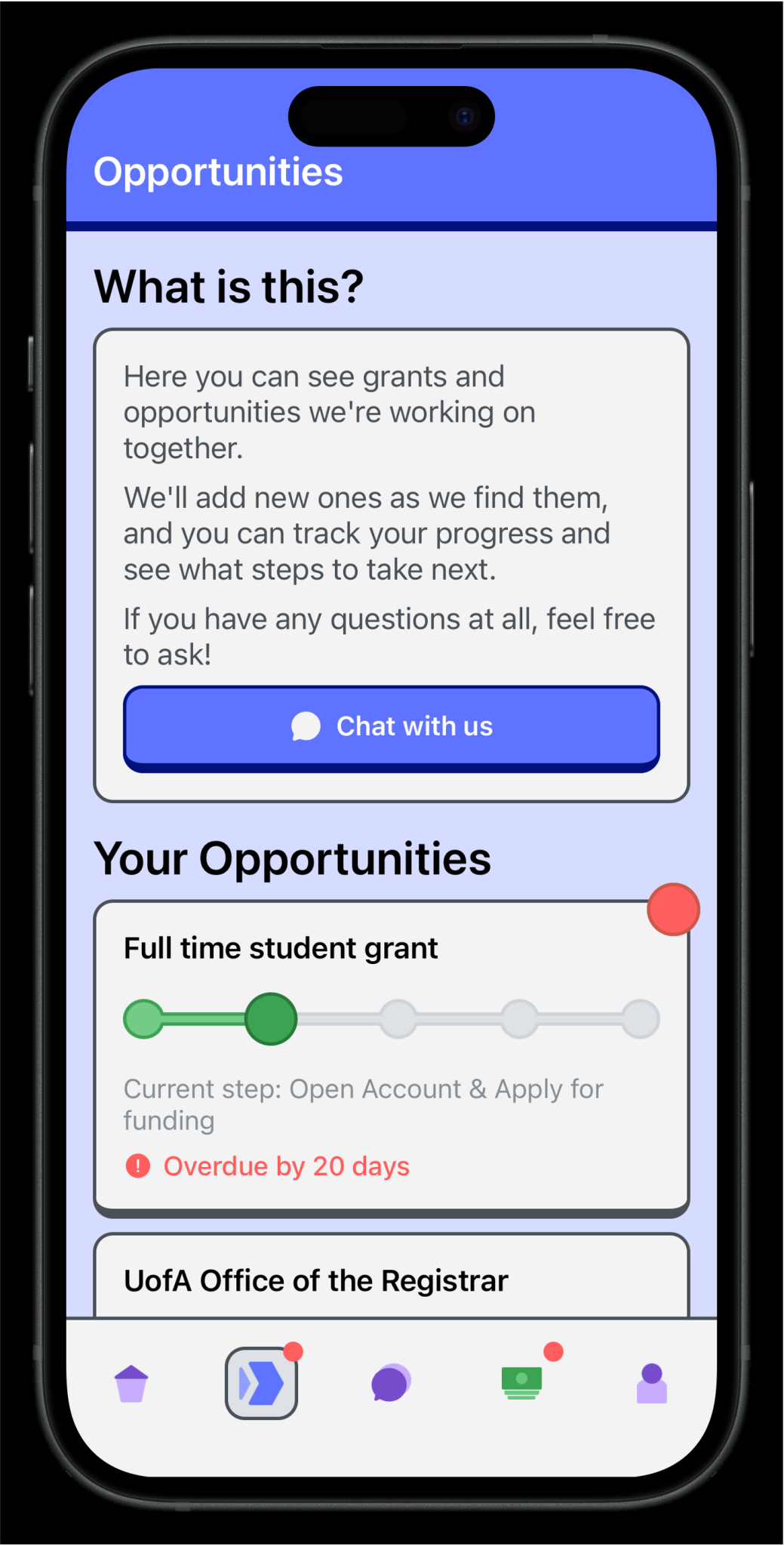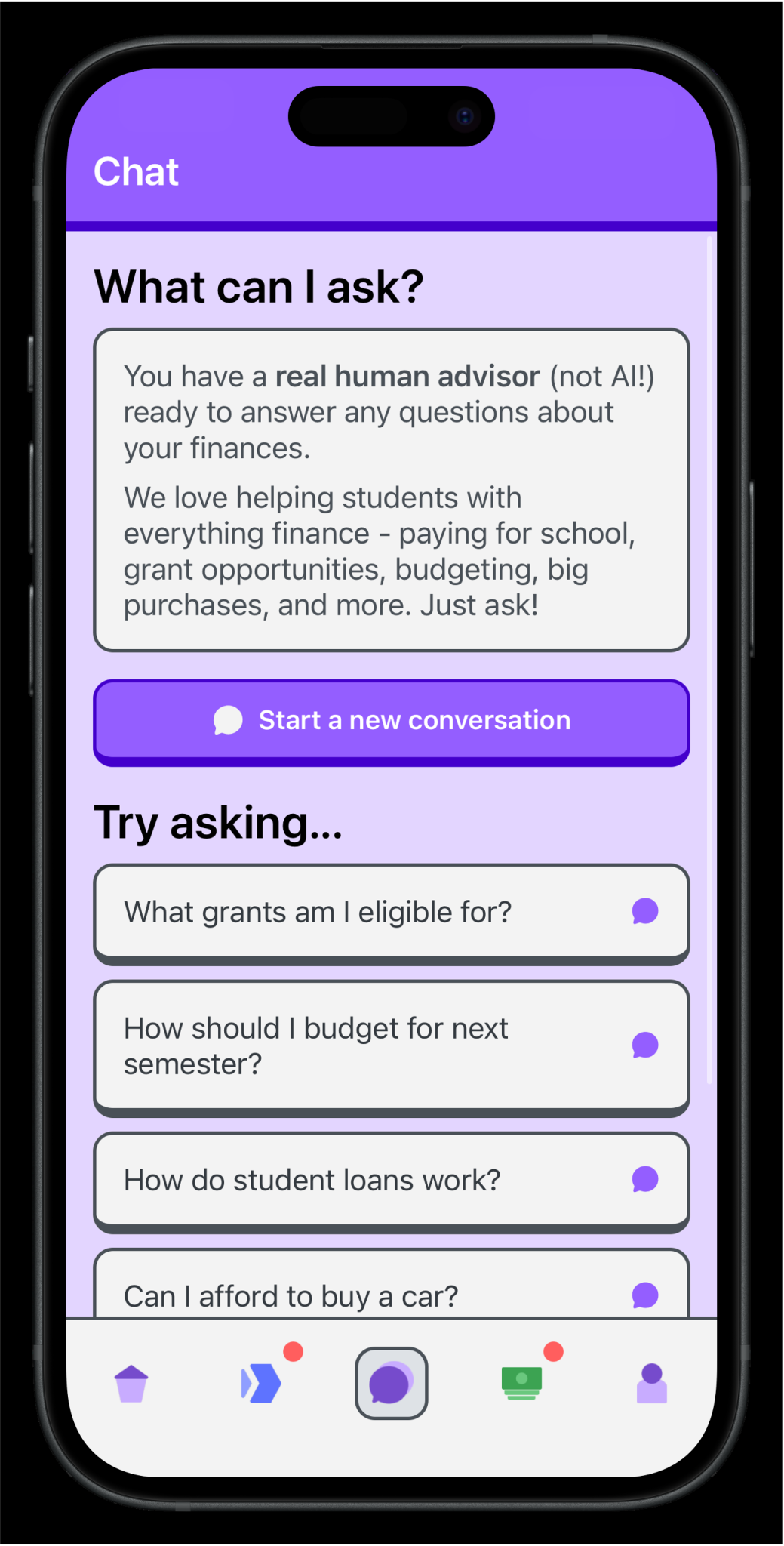
Most students enter university carrying a set of beliefs about money that were never corrected. Personal finance doesn’t get taught in school, and the gaps fill in with myths. This issue runs through the ones we hear most often, explains how credit scores actually work, and defines the three terms that come up in almost every conversation about student money.
Money Myths Worth Dropping
You need money before you can start saving.
This is the myth that does the most damage. It turns saving into something you’ll do “someday,” which usually means never. Wealth builds through consistency, not starting amounts. Putting away $10 a week sounds trivial until you track it over a year. Habits compound the same way interest does. Waiting until you have “enough” just delays the habit.
Budgeting only matters if you’re struggling.
Budgeting is not about restriction. It’s about information. When you know where your money goes, you make better decisions and stop carrying the low-level anxiety of not knowing. The students who budget aren’t the ones who are broke. They’re the ones who avoid becoming broke.
Credit cards are dangerous.
They can be, but that’s a behaviour problem, not a product problem. A credit card used responsibly, meaning you pay the full balance each month, costs you nothing and builds your credit history automatically. That credit history matters more than most students realize (more on that below). The danger comes from carrying a balance and paying 20%+ interest on it. That’s avoidable.
Asking for financial help means you’re bad with money.
Bursaries, grants, and student aid exist to help students cover costs. Using them is not a sign of failure. Every dollar you receive in grants or bursaries is a dollar you don’t borrow, and borrowing costs you money through interest over time. Students who actively search for funding and apply consistently end up in a meaningfully better financial position than those who don’t.
Credit Scores
A credit score is a number between 300 and 900 that tells lenders how reliably you’ve borrowed and repaid money. Higher is better. Canada uses two main credit bureaus, Equifax and TransUnion, and both calculate scores independently using similar models.
Why your score matters now
Your credit score comes up earlier than most students expect. Landlords check it before approving a lease. Phone companies check it for postpaid plans. Banks check it for loans, credit cards, and sometimes basic accounts. A strong score gets you faster approvals, lower interest rates, and more options. A weak score doesn’t lock you out of everything, but it makes each step more expensive.
Building a good score while you’re a student is one of the best financial moves available to you. The cost of entry is low. A student credit card with a small limit is enough. Credit history length is also a factor in your score, so starting early matters.
How to build your score
Pay every bill on time. Payment history carries the most weight of any factor in your score calculation. Keep your credit card balance well below your limit. Using less than 30% of your available credit is the standard guidance. Avoid opening several new accounts at once, since each application triggers a hard inquiry that temporarily dips your score.
You don’t need to do anything complicated. One credit card, paid in full each month, is enough to start building a solid history. For a step-by-step guide, see How to Get Your First Credit Card as a Student. Treat your credit right and it works quietly in your favour over time.
Grants, Scholarships, and Bursaries
These three words get used interchangeably, but they mean different things and come from different places. Knowing the difference matters because each has its own eligibility criteria and application process.
Grant — Money from the government or your institution that you never repay. Most grants are need-based. Federal and provincial governments both run grant programs, and your school may offer institutional grants on top of those.
Scholarship — Non-repayable money awarded for academic performance, leadership, community involvement, athletics, or specific backgrounds. Scholarships are not just for students with high GPAs. Many go unclaimed every year because applicant pools are small and students assume they won’t qualify without checking.
Bursary — Non-repayable money based on financial need. Universities and colleges administer their own bursary programs, often with separate funds at the faculty level. These are frequently undersubscribed. Your school’s student awards office can tell you what’s available and what the application looks like.
The common thread: none of it gets repaid. Every dollar in free funding is a dollar that won’t appear on your student loan statement after graduation. Apply for everything you can find. For a detailed breakdown of how grants and loans work together, see Canada Student Grant vs. Canada Student Loan.
This Week’s Recommendations
Read: The Psychology of Money by Morgan Housel. Short chapters, real examples, and a clear case for why emotions drive more financial decisions than logic does. One of the most readable personal finance books written.
Listen: The Financial Confessions podcast. Real people talking honestly about money wins, mistakes, and lessons learned. Good background listening while you study or commute.